

Pygmalion effect
Our expectations can change another person’s reality. The Greek myth, Rosenthal’s classroom experiment, the golem effect and how it is used in marketing and leadership.
Peak-end rule
We remember an experience by its peak and its end, not by its average. Kahneman’s research, the ice cream at IKEA and how to use it in customer experience.Authority bias
We trust an authority’s opinion more, without checking it. The white coat, the Milgram experiment and how authority bias is used in marketing.
Availability heuristic
We overestimate what we can easily recall. Tversky and Kahneman’s experiment, the fear of flying and how to be top of mind, plus the link to the mere exposure effect.Confirmation bias
We only see what confirms our opinion and overlook the rest. Francis Bacon, the Wason test, social media bubbles and how it is used in marketing.Illusory truth effect
What we hear often, we start to accept as true. Propaganda, advertising slogans and fake news, how the illusory truth effect works and how to resist it.
Overconfidence bias
Our certainty tends to be higher than our actual success rate. Kahneman, the planning fallacy and why we buy our ideal future self, plus the link to Dunning-Kruger.Reciprocity
When we receive something first, we feel the need to return it. A cheese sample, Cialdini, the Coca-Cola experiment and how reciprocity is used in marketing.In-group bias
We favour ‘our’ group and are sceptical of ‘others’. Tajfel’s experiments, Harley-Davidson and Apple, and how to build a community around a brand.The liking effect
We buy from people we like. Tupperware, Cialdini, the power of similarity and compliments, and how to use the liking effect in your brand and in sales.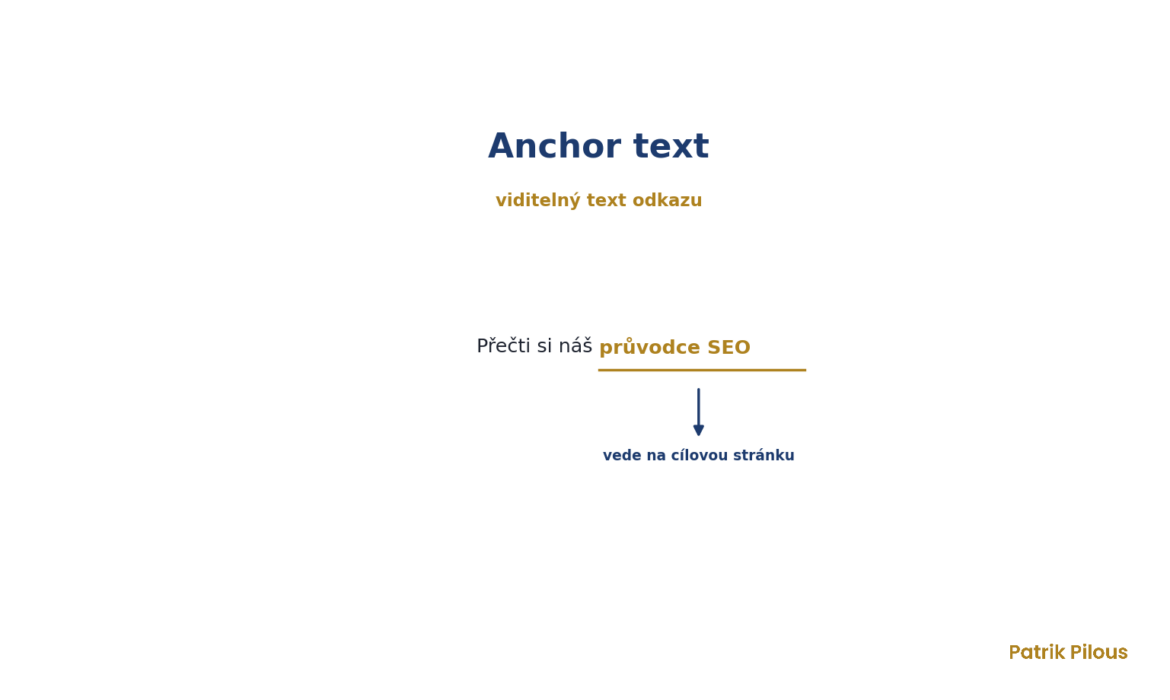
Anchor text
Anchor text is the visible text of a link. It tells Google what the target page is about. What types of anchors are there and why does over-optimising a website do harm?Jakob’s Law
Users expect your website to work like the ones they already know. Jakob Nielsen, conventions in UX design and why originality does not pay off in usability.The Forer effect (Barnum effect)
We take general statements as if they were tailored specifically to us. Forer’s horoscope experiment, P. T. Barnum and uses in personalisation, quizzes and reviews.Hreflang
Hreflang is an attribute you use to tell Google which language version of your website to show to whom. How to set it up correctly and why the links must be reciprocal.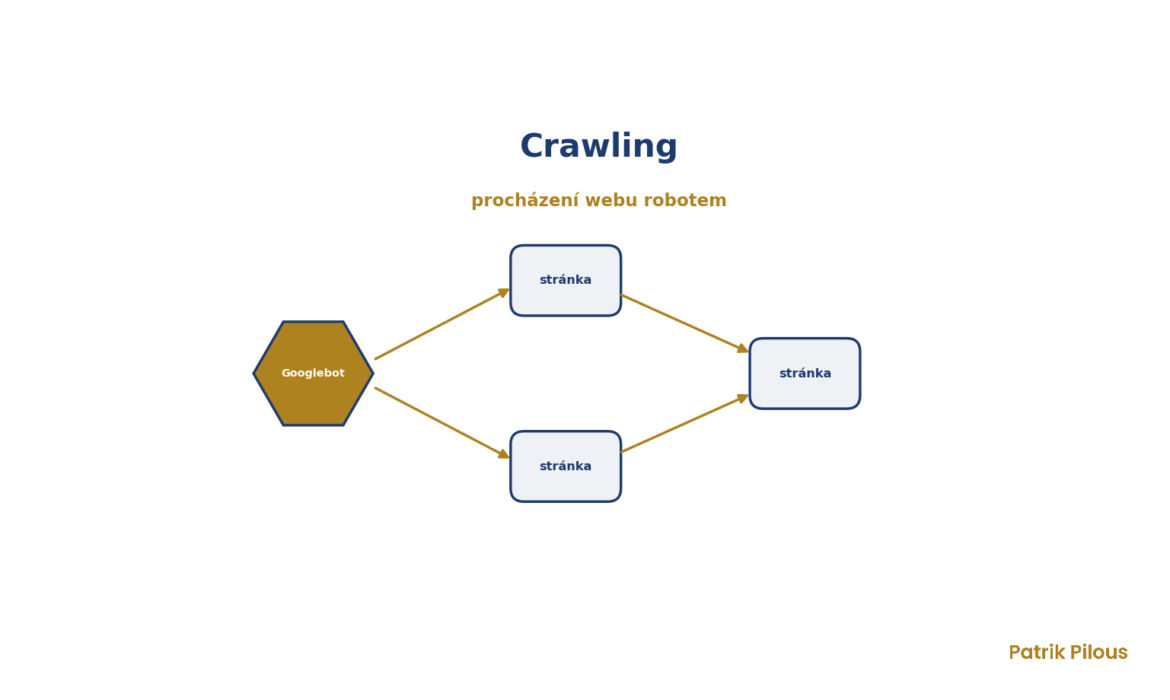
Crawling
Crawling is the process in which Googlebot moves through a website and reads its pages. How it works, what crawl budget is and why no SEO can start without it.The curse of knowledge
If you know a topic well, you cannot imagine what it is like not to know it. The song-tapping experiment, why experts write in ways others cannot follow, and how to write for...
Public relations (PR), what it is and how it relates to marketing
Public relations (PR), known in Czech rather impersonally as vztahy s veřejností, plays a key role in shaping how the general public perceives companies and...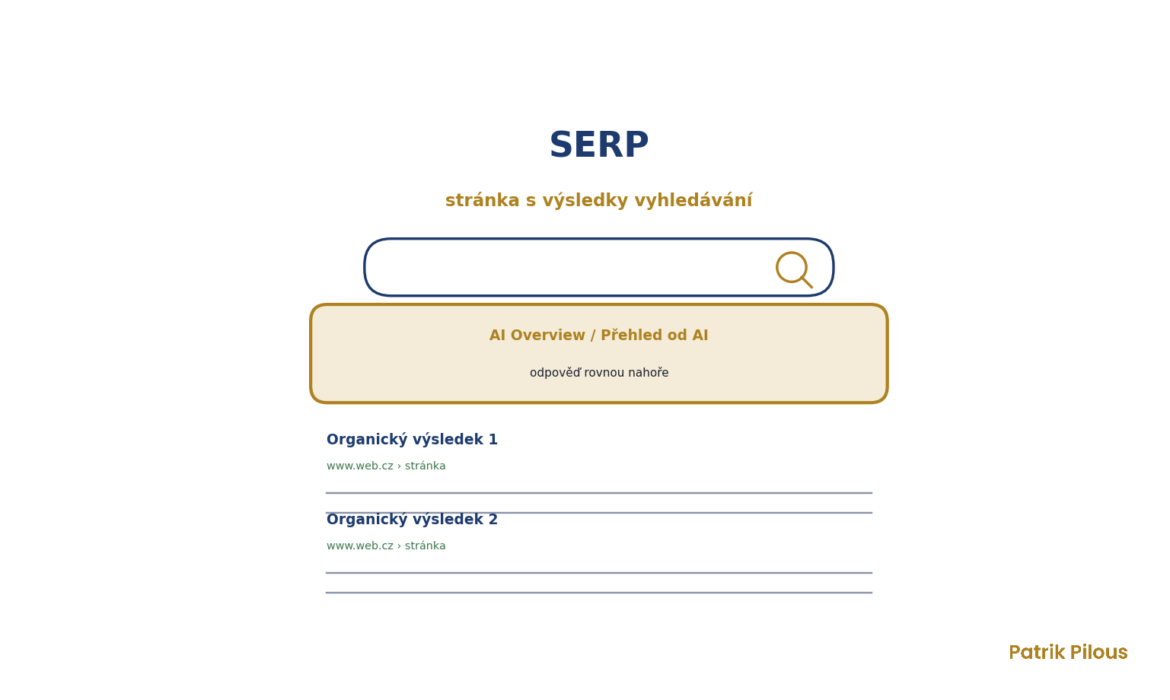
SERP (search engine results page)
SERP is the search engine results page. From ten blue links to AI Overviews, how it varies by query and why it matters for SEO.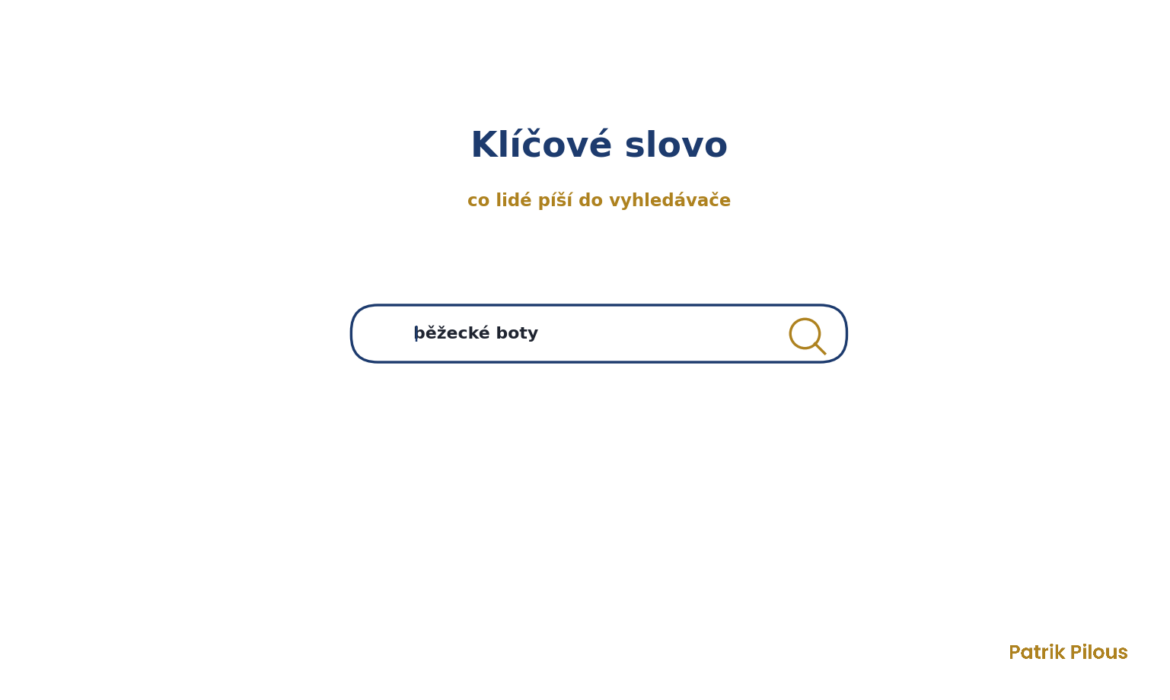
Keyword
A keyword is the phrase people use to search. From keyword stuffing to search intent, the difference between generic and long-tail keywords, and why it is the foundation of SEO.The endowment effect
Once we hold something, we value it more highly. The mug experiment, the car test drive, estate agents and how to use the endowment effect in sales and subscriptions.Mere exposure effect
We prefer what we know. The hated Eiffel Tower, Zajonc’s experiments, the power of repeated advertising and how to use the mere exposure effect for a brand.Loss aversion
A loss hurts roughly twice as much as an equal gain pleases. Prospect theory, a story about a bet and how to use loss aversion in marketing.Anchoring
The first number you see becomes the anchor for everything that follows. How anchoring works, a story from a market stall and practical uses in pricing.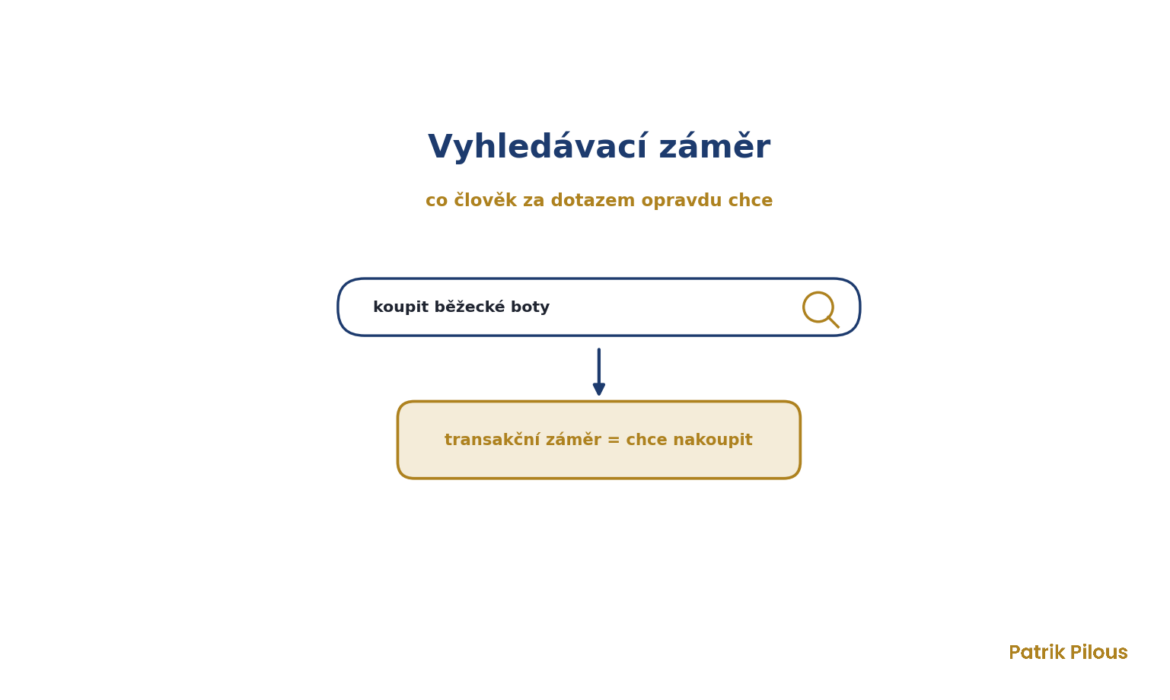
Search intent
Search intent is the real goal behind a query. The four types of intent and why it matters more for rankings than the keyword itself.The default effect
Most people leave the pre-set option as it is. The organ donation study, how to use the default effect, and how it relates to loss aversion.The zero-price effect
A zero price attracts us more than the saving justifies. Ariely’s chocolate experiment and why free shipping beats a discount, plus the link to loss aversion.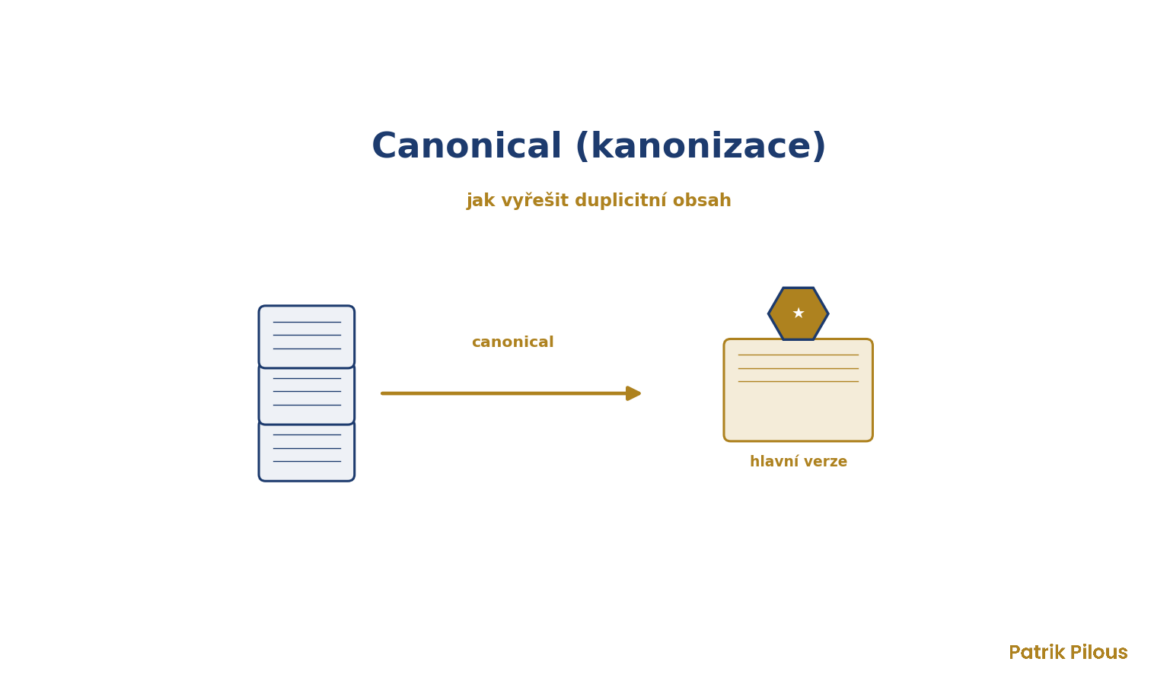
Canonical (canonicalisation)
Canonical, or canonicalisation, deals with duplicate content by setting the main version of a page. Etymology, history since 2009 and the practical benefit for SEO.The goal-gradient effect
The closer we are to a goal, the more effort we put into reaching it. Kivetz’s coffee experiment, loyalty programmes, gamification and the head-start trick (the endowed...The gambler’s fallacy and why chance has no memory
We believe that after a run of one outcome, the other one has to come. The Monte Carlo roulette wheel in 1913, why chance has no memory, and how it relates to survivorship bias.