
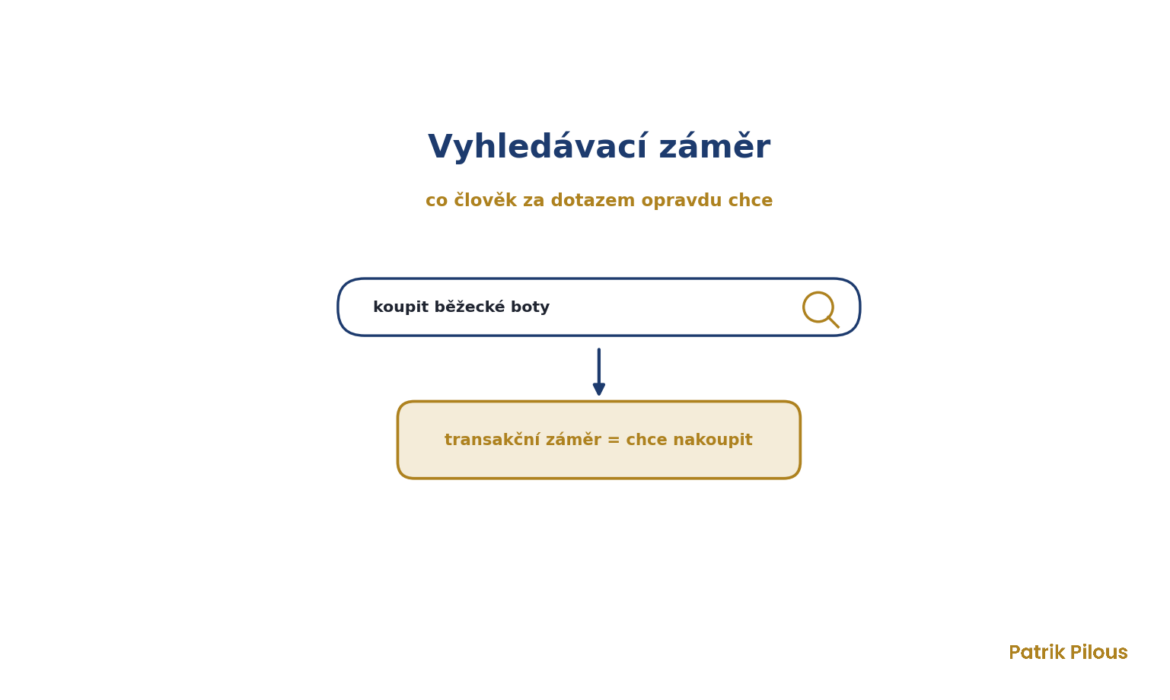
Search intent is the real goal (what the person at the screen expects) behind a query typed into a search engine. It is not just the keyword itself, but the reason someone searches for it. Do they want to learn something, find a specific website, compare options or buy straight away? When someone types Battle of Austerlitz or floor scrubber, it is clear that only one of the queries will have commercial search intent.
Today Google recognises intent surprisingly well and uses it to decide which pages to show on the search results page. That is exactly why understanding intent is the foundation of modern SEO. When you hit what the person really wants, you win. When you don’t, even the best text won’t secure you rankings. If an online shop has a single product page for a commercial term, it will most likely fail, because today’s customers want to compare options and specifications at a certain stage of the process.
Where the term search intent comes from
The Czech word for intent (záměr) comes from the idea of intending something, that is, having a goal we are heading towards. The English word intent comes from the Latin intendere, literally to stretch or to aim somewhere. In both languages it means the same thing: directing attention towards a particular goal. The term caught on in SEO because it captures exactly what this is about. A search engine tries to understand not only the words, but the purpose behind them.
A short history of search intent
In the early days of search, it was mainly about matching words. Whoever had exactly what the person typed on their page won, even if the text made no sense. SEO consultants were therefore “hacking” ranking factors rather than optimising for users. The major turning point came in 2013 with the Hummingbird update, which started reading the meaning of the whole query, not just individual words.
RankBrain followed in 2015, and in 2019 the BERT update, thanks to which Google understands even subtle nuances and context. This development keeps heading in the same direction, towards a better understanding of people, and it continues in how SEO and GEO work today in a world of AI-generated answers.
How search intent works from an SEO perspective
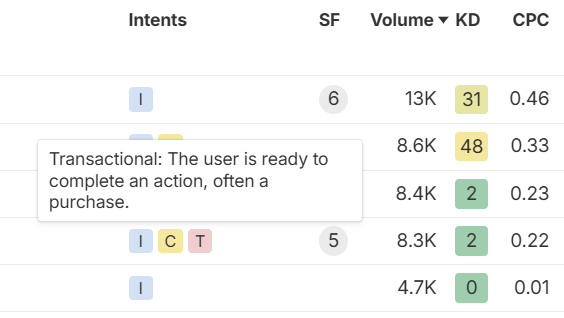
In practice, intent is divided into four basic types. Informational, when someone is looking for information (how to choose running shoes, who Leonardo da Vinci was). Navigational, when they are heading to a specific website (nike eshop, chlorito.cz). Commercial, when they are weighing up and comparing (best running shoes). And transactional, when they are ready to act (buy nike shoes size 42, PWS pool tablets). Each type needs different content and a different page.
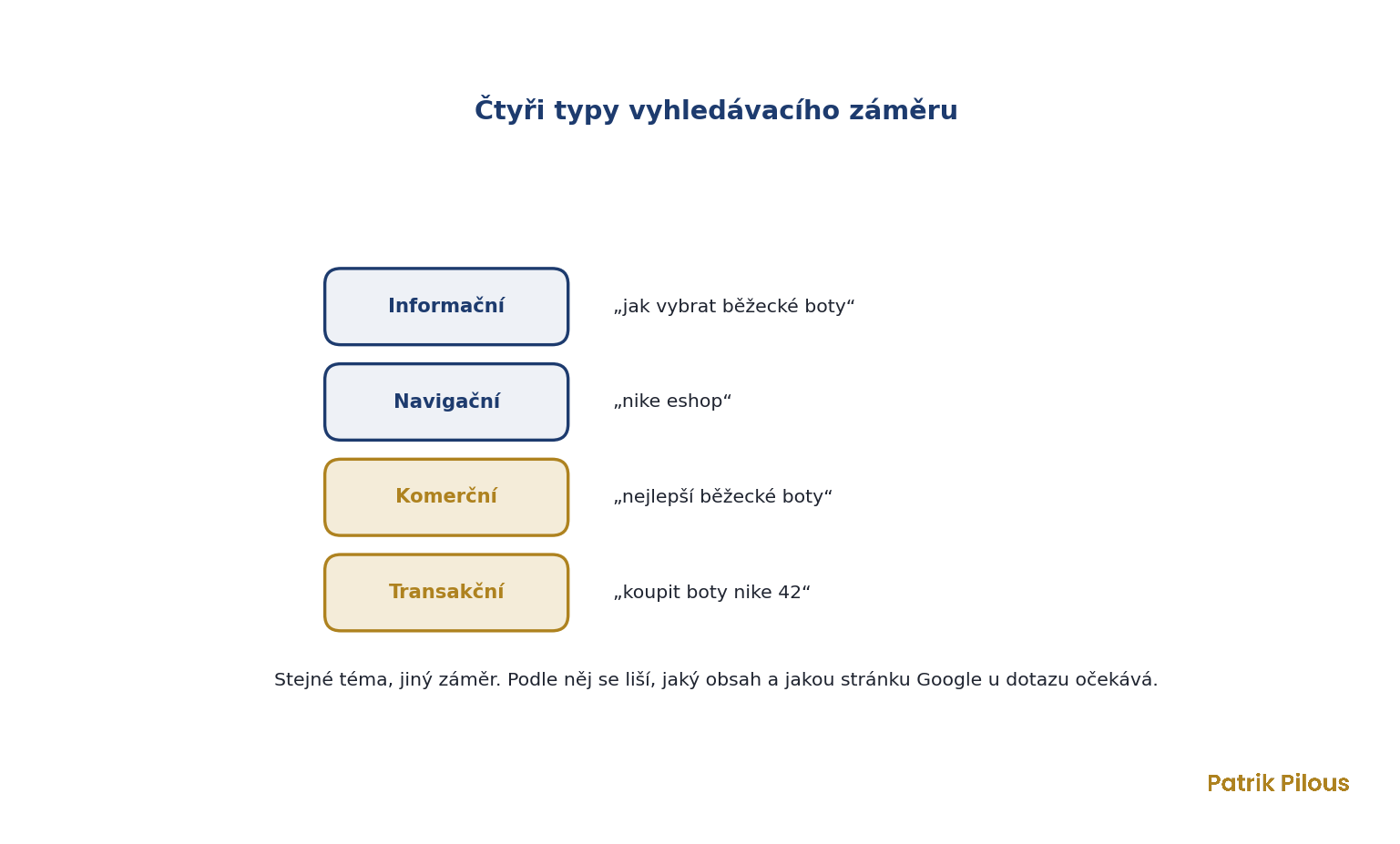
Before I start targeting a keyword, I always do one thing during keyword research. I google it and look at what is already on the SERP. If guides dominate the query, there is no point pushing a product page there. The results reveal what intent Google sees behind the query, and you have to respect it.
Why search intent matters
Misjudging intent is one of the most expensive mistakes in SEO. You can have a brilliantly written text and still not move an inch, because you are answering a question nobody is asking. That is why checking intent is one of the first steps of every SEO audit. Yet many SEO consultants still ignore intent and only deal with crawls. That is not the way to understand users.
Intent also determines how the text should be written. For an informational query, people want an explanation; for a transactional one, a quick path to action, which is the job of good copywriting and a well-thought-out landing page. The same text does not work for both.
Where it goes further
Search intent is really just the digital form of an old truth: we should listen to what people actually need, not to what we want to say. It is a moment in the customer journey, captured in a single query. A big trap here is the curse of knowledge. As experts in our field, we search differently from laypeople and easily forget what words and what intent someone has when they are only just finding their way around a topic.
The most common mistakes
- Targeting a keyword without checking what intent Google actually shows for it on the SERP.
- Offering a product for a query with clearly informational intent, and vice versa.
- One long text for queries with completely different intent instead of separate pages.
- Ignoring words such as review, price or guide, which reveal intent at first glance and belong in keyword research.
Questions about search intent
What is search intent?
The real goal behind a query typed into a search engine. In other words, whether the person wants to find information, a specific website, compare options or buy straight away.
What are the types of search intent?
There are four basic ones: informational, navigational, commercial and transactional. Each needs a different type of content and a different landing page.
How do I find out the search intent of a keyword?
The easiest way is to google the keyword and look at which pages Google shows in the top positions. They reveal what intent it expects behind the query.

