
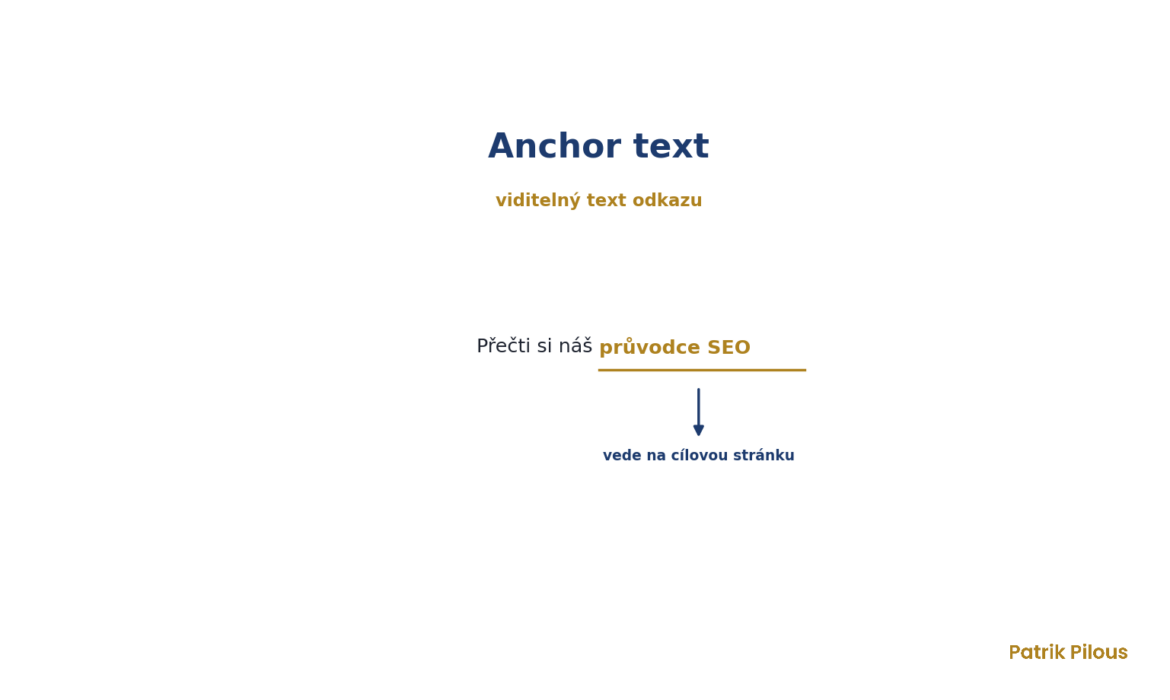
Anchor text is the visible, clickable text of a link. It is the part of a sentence, usually underlined and in a different colour, that you click to go somewhere else. It is the underlined wording that leads to another page, part of what is called a hyperlink.
For a person, it is a hint about what to expect after clicking. When I taught copywriters or a client how to use anchor texts properly, I told them that the anchor text should let users guess what they will find on the page the link leads to. Now it is more that the sentence containing the link should give users a rough idea of where the link will take them.
For a search engine, on the other hand, it is an important clue about what the target page is about, and one of the classic signals on which the value of backlinks rests (although this is also changing over time). That is exactly why anchor text carries more weight in SEO than it might seem at first glance. Well-chosen link text helps both visitors and bots understand the context. Poorly chosen text confuses both and, in worse cases, can even harm a website.
Where the word comes from
Anchor literally means a ship’s anchor. In the language of the web, it refers directly to the link tag that Tim Berners-Lee named anchor when he created the web, and which is still written in code as the a element. It is called an anchor because a link anchors one place on the web to another. The text between the opening and closing tags is the anchor text, the text of the anchor, which provides SEO with one of its basic building blocks. In Czech, the term is usually not translated, and people simply talk about anchor text or link text.
A short history of anchor text
Anchor text is one of the oldest signals Google used to rank websites. The original algorithm already assumed that the link text describes the target page and treated it as an external recommendation, in other words as part of link building. However, this led to the notorious phenomenon known as Google bombing. A group of people agreed to link to the same page using the same text, which pushed the page up for that query even though its content had nothing to do with it. The best-known case, from 2003, linked the query miserable failure to the biography of the then US president. The major turning point came in 2012 with the Google Penguin update, which began penalising websites with unnaturally over-optimised anchor text profiles.
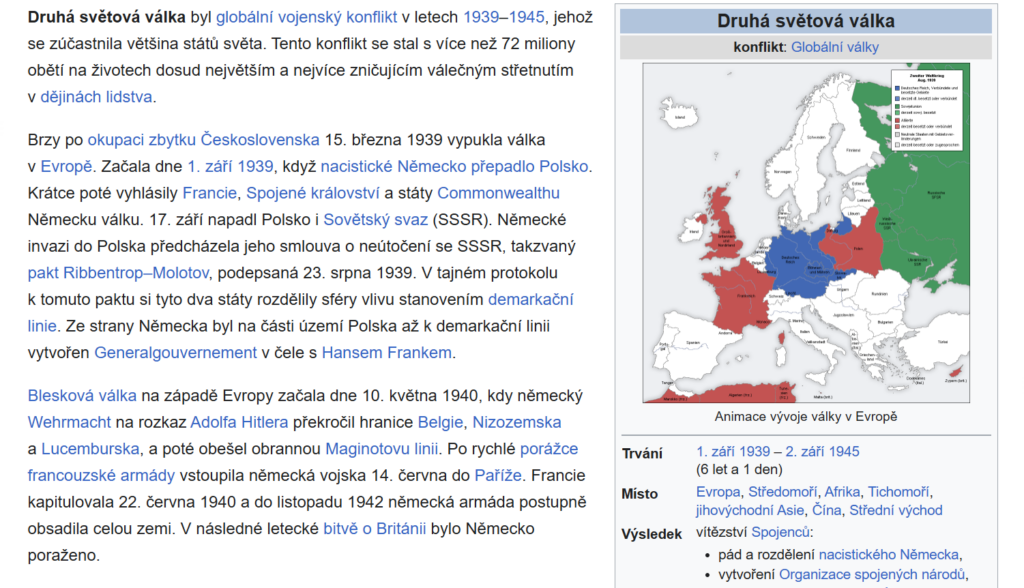
Wikipedia is a good example of how linking and anchor texts work.
How anchor text works from an SEO perspective
Anchor text gives a link its meaning. For backlinks from other websites, it tells Google what topic you are recommending a site for. For internal links, it helps bots understand the structure and importance of pages. The key is naturalness.
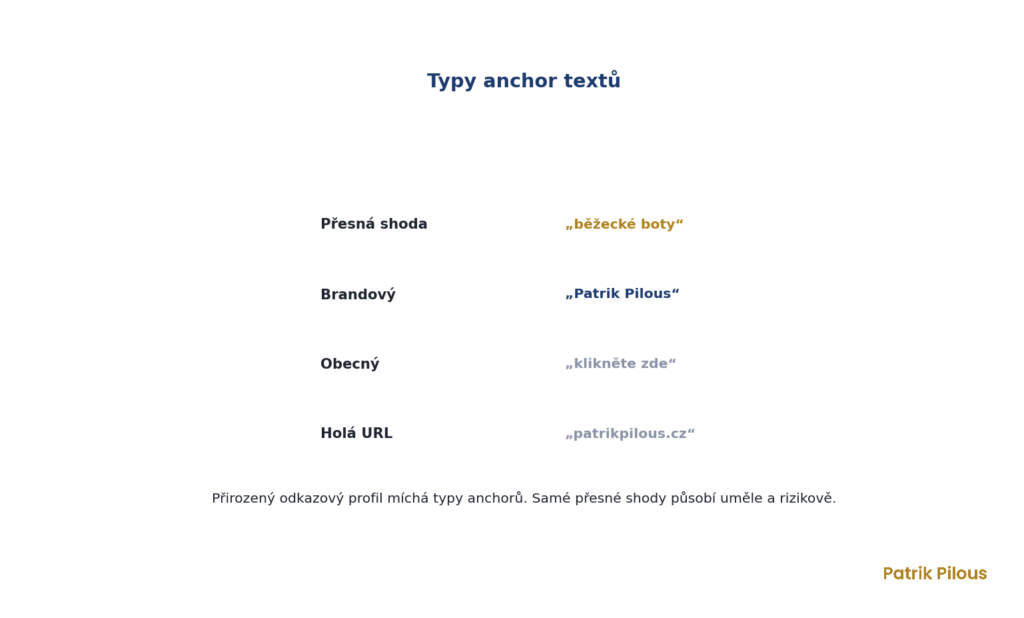
A healthy profile mixes different types of anchors: exact matches for a keyword, branded links with a name, generic calls to action such as more here and bare URLs. When all links point to one page with the same exact-match keyword, it looks artificial and risky. Choosing the text is therefore closely tied to keyword research and to how you write copy.
One very important point from my side. When you create internal links, the target page of a link should be your website’s best (or preferred) answer to the anchor text. It sounds trivial, but many people get it wrong.
Why anchor text matters
Anchor text is a small detail with a big impact. For readers, it determines whether they click the link at all, because the text has to make clear promises about what lies behind it. A meaningless click here is not appealing and also deprives bots of context. For SEO, anchor text is one of the few places where you directly influence how a search engine understands the topic of the target page. In internal linking, it is the tool you use to distribute authority across your website and strengthen the pages that matter most to you, such as an important landing page. Checking anchor texts, both external and internal, is therefore part of every SEO audit.
Where it goes further
Behind anchor text lies an old truth about the power of naming. What you call something changes how people perceive it before they even encounter it. A link called proven guide creates different expectations from a link called some article, even if both lead to the same page. This is close to how the framing effect works and, in a way, anchoring too, because the first word sets what readers will look for and what they will believe. Anchor text is therefore an inconspicuous but powerful tool for directing attention. And attention is the most valuable currency in human decision-making.
The most common mistakes
- Generic anchors such as click here or more, which tell neither people nor bots anything.
- Over-optimisation, where all links point to a page with the same exact-match keyword.
- Misleading text that promises something different from what is actually on the target page.
- Neglected anchors in internal links, which means missing an easy way to strengthen key pages.
Questions about anchor text
What is anchor text?
The visible, clickable text of a link. It tells visitors what to expect after clicking and gives search engines a clue about what the target page is about.
What is the best anchor text?
Natural and descriptive text that clearly reflects the target page. A healthy profile mixes exact-match, branded, generic and URL anchors and does not rely on just one type.
Can anchor text harm a website?
Yes. An unnaturally over-optimised profile made up only of exact matches can lead to a penalty, which is what the 2012 Google Penguin update targets.

